
Roof Rat vs. Norway Rat vs. House Mouse
How to Know Exactly What’s in Your Lakeland Home
The species determines the treatment. Wrong ID = wrong protocol = ongoing problem. This guide covers every distinguishing feature — sounds, droppings, size, behavior, and location — to confirm what you have before calling anyone.
What Are the Three Rodent Species Found in Lakeland Homes — and Which One Do You Most Likely Have?
Three species account for essentially every residential rodent infestation in Polk County. Before any treatment decision, identify which species you’re dealing with — the trap type, placement strategy, exclusion gap threshold, and management approach differ for each one.
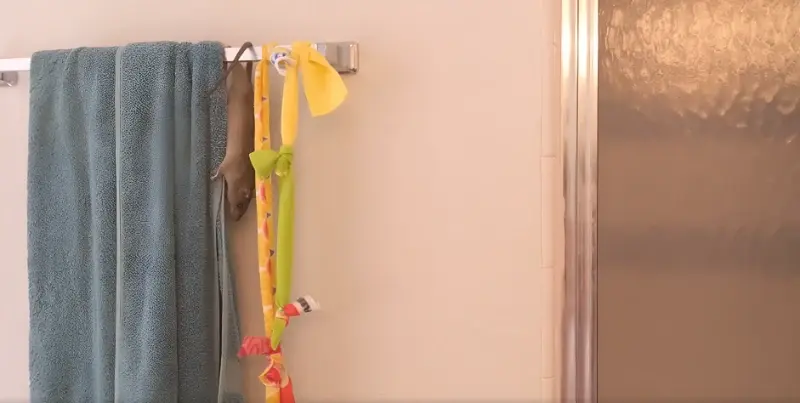
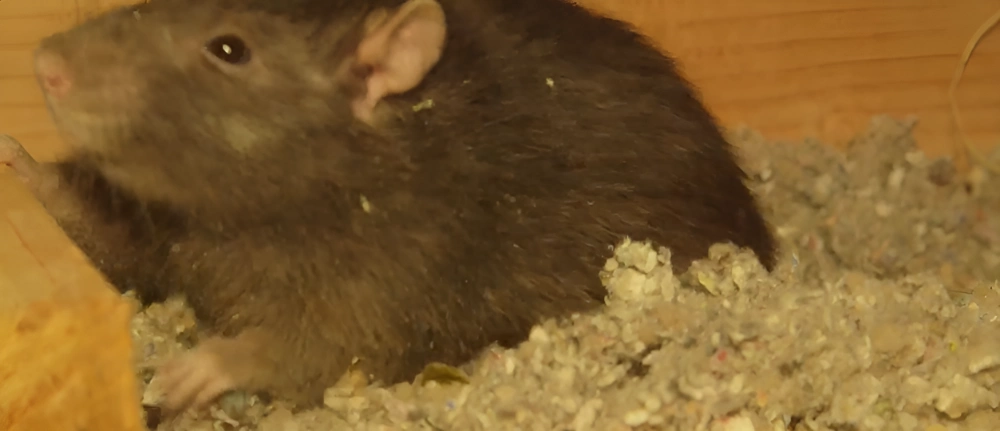
Roof Rat (Rattus rattus)
Lakeland Prevalence: 95%+ of cases
Attic specialist. Aerial climber. 11pm–3am activity. Citrus and fruit diet. The animal behind virtually every Lakeland ceiling sound complaint.
Full Species Profile →Norway Rat (Rattus norvegicus)
Lakeland Prevalence: Rare — <3% of cases
Ground dweller. Burrower. Marina and commercial waste sites. Rarely in residential attics. If it’s in your ceiling, it’s almost certainly not this.
Full Species Profile →House Mouse (Mus musculus)
Lakeland Prevalence: ~25% of inspections
Ground-level wall voids, garage, kitchen. Often co-exists with roof rat. Requires ¼-inch exclusion (smaller than rat). Lighter sounds.
Full Species Profile →How to Identify the Species by Sound — The Fastest Field Test
Sound character is the most immediate species indicator — you can narrow it down before ever seeing droppings or the animal itself. The three species produce distinctly different acoustic signatures:
| Sound Character | Most Likely Species | Notes |
|---|---|---|
| Heavy thumping, rolling, clearly audible through the ceiling — wakes you up at 1am | Roof Rat (Rattus rattus) | Rolling = fruit caching. Activity strictly 11pm–3am. Lakeland’s #1 species. |
| Light, rapid skittering — barely audible, only in complete silence | House Mouse (Mus musculus) | Intermittent, often near kitchen or walls. May occur during day. |
| Heavy sounds from ground-level walls, under slab, or in crawlspace | Norway Rat or Roof Rat (ground entry) | Unusual for Lakeland. Inspect ground-level entry points specifically. |
| Activity before 10pm consistently | Large colony or stressed individual | Early activity in roof rats signals colony size. Inspect urgently. |
| Squeaking from inside a wall void | Any species — young pups | Active breeding nest confirmed. Trapping urgency elevated. |
| Scratching from a specific wall section — repetitive, brief | Roof Rat or House Mouse | Animal investigating entry point or gnawing. Dropping location will confirm. |
How to Identify the Species by Droppings — Size, Shape, and Location
Droppings provide definitive species confirmation without requiring visual contact with the animal. Use a flashlight in the attic or along suspected run pathways. Do not handle droppings without gloves and an N95 respirator — dried droppings are the primary Hantavirus exposure route.
Roof Rat Droppings
- Length: ½ inch (12–13mm)
- Shape: Spindle — both ends tapered to a point
- Color: Dark brown/black (fresh); gray (old)
- Location: Attic surface, along rafters, on top of HVAC ducts, near attic hatch
- Distribution: Scattered along travel routes; concentrated near nesting zones
Norway Rat Droppings
- Length: ¾ inch (18–20mm) — largest of the three
- Shape: Capsule — both ends blunt and rounded
- Color: Dark brown/black (fresh); gray (old)
- Location: Ground level — near burrow entrances, foundation base, under slabs
- Distribution: Often in large concentrated groups near latrine sites
House Mouse Droppings
- Length: ⅛–¼ inch (3–6mm) — smallest by far
- Shape: Rod — tapered at one or both ends
- Color: Black (fresh); gray-brown (old)
- Location: Kitchen drawers, cabinet corners, behind appliances, in stored boxes
- Distribution: Very high density (50–75/day per animal) — scattered everywhere they travel
Master Species Comparison Table — Roof Rat vs Norway Rat vs House Mouse
Every identification feature side by side. The column that matches your observations points to your species.
| Feature | Roof Rat ★ Most Common | Norway Rat | House Mouse ★ Common |
|---|---|---|---|
| Body length | 6–8 inches | 7–9 inches | 2.5–3.5 inches |
| Weight | 100–300g | 200–500g | 15–25g |
| Tail vs. body | Longer than body ★ | Shorter than body ★ | Approximately equal |
| Ear size | Large, prominent | Small, close-set | Large relative to body |
| Snout | Pointed, narrow | Blunt, broad | Pointed |
| Dropping size | ½ inch (12–13mm) | ¾ inch (18–20mm) | ⅛–¼ inch (3–6mm) |
| Dropping shape | Spindle — pointed both ends | Capsule — blunt both ends | Rod — one or both ends tapered |
| Dropping location | Attic, rafters, ceiling voids | Ground level, foundation | Kitchen, cabinets, behind appliances |
| Ceiling sounds | Heavy thumping, rolling ★ | Rare in ceiling | Light skittering (barely audible) |
| Activity time | 11pm–3am (strict) | Night, flexible | Night + some daytime |
| Harborage | Attic, elevated ceiling voids, trees | Ground burrows, sewers, basements | Wall voids, cabinets, garage floor |
| Entry gap needed | ⅝ inch (15mm) | ¾ inch (19mm) | ¼ inch (6mm) |
| Climbing ability | Elite — roofline, utilities, trees | Poor — ground level only | Good — but stays low in structure |
| Primary food | Citrus, fruit, seeds | Grains, protein, garbage | Grains, seeds, pantry staples |
| Seasonal onset in Lakeland | September–October (citrus) | Year-round (commercial sites) | Year-round (temperature extremes) |
| Rat lungworm vector | Yes — documented in Florida | Less documented in FL | No |
| Lakeland residential prevalence | 95%+ of attic cases | Rare — <3% | ~25% of all inspections |
How to Tell From Ceiling Sounds Alone Whether You Have Rats or Mice
This is the most common question we field on first contact: “I hear something in my ceiling — is it a rat or a mouse?” The answer is almost always determinable from sound character alone before any inspection:
You Hear This → It’s a Roof Rat
- Sounds that wake you up or are clearly audible in a normally quiet room
- Heavy thumping — like a small animal landing or jumping
- A rolling sound (this is fruit caching — diagnostic for Rattus rattus)
- Activity that starts reliably after 11pm and ends by 3–4am
- Sounds from the center of the ceiling above a bedroom or living room
- Sounds that stop when you turn on a light or make noise
You Hear This → It’s Likely Mice (or Both)
- Faint scratching only audible in a silent house
- Light, rapid, skittery movement — sounds like something small
- Scratching from inside a wall void near the kitchen or bathroom
- Activity that occurs at various times including early evening or morning
- Squeaking (young pups in a nest — possible with either species)
When you might have both: If you hear heavy ceiling sounds (roof rat) AND faint wall scratching near the kitchen (mouse), the inspection will address both. Our exclusion seals all gaps down to ¼ inch regardless of which species triggered the call.
Describe What You Hear — We’ll Tell You What It IsQuick-Reference: What To Do Based on Your Species ID
If It’s a Roof Rat
Full roofline inspection by ladder. LCWM-certified operator required (Florida law). Mechanical trapping along grease runs. Exclusion sealing with 304 stainless. No poison.
See Full Removal Process →If It’s a Norway Rat
Ground-level inspection. Burrow identification and blocking. Species confirmation required — Norway rats in residential Lakeland are unusual enough to warrant verification before treating.
See Norway Rat Guide →If It’s a House Mouse
Ground-level exclusion down to ¼ inch. Mouse-specific snap traps. Kitchen + garage + utility space assessment. Often addresses both mice and rats in the same job.
See House Mouse Guide →Frequently Asked Questions — Rodent Species ID Florida
Is there any way to tell for certain what species I have without calling a professional?
Yes — dropping size and location is the most reliable DIY confirmation. Measure any droppings you find: ½-inch spindle-shaped in the attic = roof rat. ¾-inch capsule-shaped at ground level = Norway rat. Under ¼-inch rod-shaped in the kitchen = house mouse. If the droppings are in the attic and you measure them at ½ inch with pointed ends, you have a roof rat with essentially 100% certainty in a Lakeland home.
Can I have roof rats AND house mice at the same time?
Yes — this is documented in approximately 15–20% of Lakeland inspections. The species occupy different vertical zones in the same structure. Ceiling sounds (roof rat) plus cabinet droppings (house mouse) simultaneously indicates both species. Our inspection assesses and addresses both.
I’ve seen a small animal in my kitchen — could it be a juvenile roof rat or a house mouse?
Check the tail. A juvenile roof rat (4–6 weeks old, approximately 30–50g) has a tail visibly longer than its body — this is a defining characteristic even at small size. A house mouse has a tail approximately equal to its body length. Also check the ear size: juvenile roof rats have large, prominent ears; house mice have ears that look large relative to their small head but are not as dramatically prominent as juvenile roof rat ears.
Do all three species carry diseases in Lakeland FL?
Yes, but different disease profiles. Roof rats are the primary rat lungworm (Angiostrongylus cantonensis) vector in Florida — a documented, growing public health concern near Polk County lake systems. Norway rats are the primary leptospirosis and rat-bite fever vector. House mice are the primary Hantavirus vector via dried droppings in enclosed spaces. Any infestation in a Lakeland home warrants prompt resolution regardless of species.
What if I can identify the species but still don’t know where they’re getting in?
That’s exactly what a professional inspection answers. Species identification from sounds and droppings tells you what you have; the inspection tells you where and how many entry points exist. Call (863) 862-9981 — describe what you’re hearing or finding, and we’ll confirm species over the phone before scheduling the inspection.
Confirmed Your Species? Get Permanent Removal — Same or Next Day
LCWM-certified · No poison · 90-day return protection · All Polk County
📞 (863) 862-9981Rodent Shield Lakeland
3616 Harden Blvd, Lakeland FL 33803 · (863) 862-9981
Home · Roof Rat Species · Norway Rat · House Mouse · Names Overview