
Norway Rat (Rattus norvegicus)
Florida ID Guide — Is This Actually What’s in Your Lakeland Home?
Norway rats are significantly less common in Lakeland residential attics than roof rats. Knowing the difference prevents misidentified treatment — and wasted money. Here’s the complete ID and occurrence guide for Polk County.
📞 Get a Species-Confirmed ID — (863) 862-9981What Is the Norway Rat — and Why Is It Rarely Found in Lakeland Residential Attics?
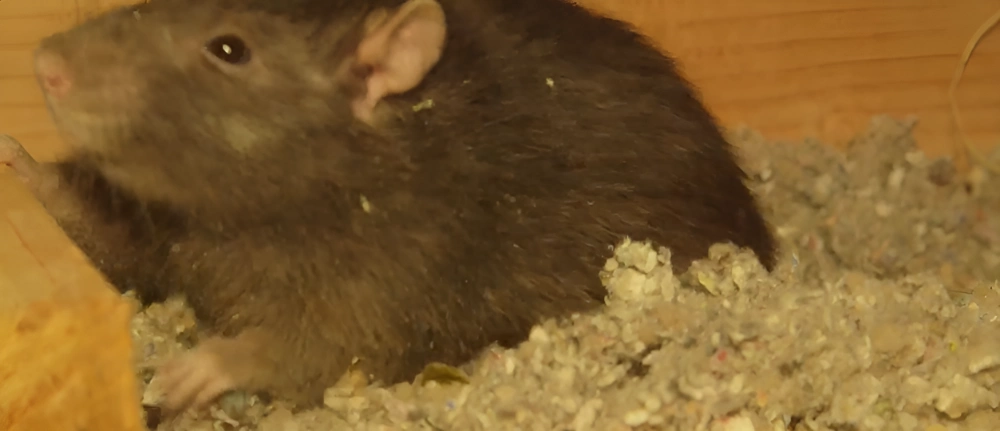
Rattus norvegicus, the Norway rat (also called the brown rat, sewer rat, or wharf rat), is the dominant commensal rodent in cold climates worldwide. In Florida, its range and prevalence are significantly reduced compared to temperate regions. The critical ecological difference: Norway rats are burrowing, ground-level animals that prefer basements, sewer systems, and earthen burrows adjacent to commercial waste.
In Lakeland and Polk County residential environments, Norway rat infestations are genuinely rare. The species is documented at commercial food facilities, marina environments, and agricultural waste sites — not in residential attics. When Lakeland homeowners call describing “a large rat in my attic,” the animal is almost always Rattus rattus (roof rat) seen at close range, which appears large when encountered unexpectedly. True Norway rat residential infestations in Polk County are uncommon enough that we conduct species confirmation before any treatment plan for suspected Norway rat activity.
How Do You Tell a Norway Rat From a Roof Rat — Complete Field Identification
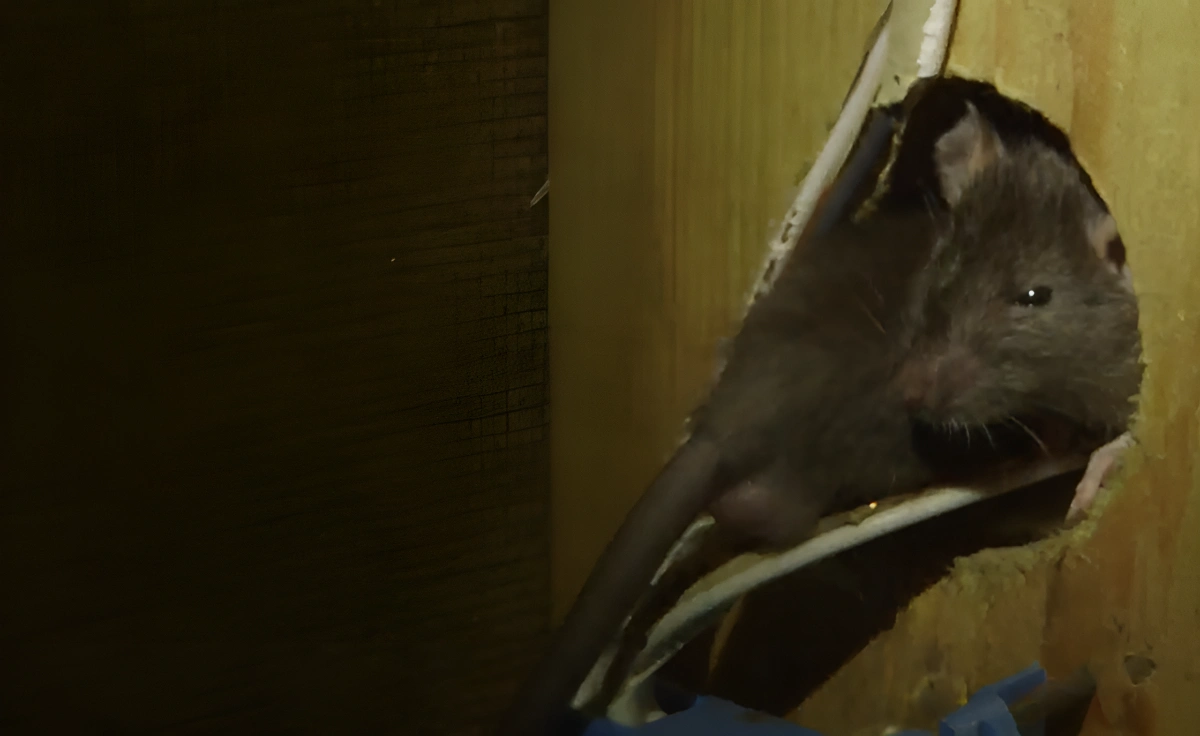
Species misidentification is common because both species are brown-gray and roughly “rat-sized.” However, the differences are consistent and observable:
| Feature | Norway Rat (Rattus norvegicus) | Roof Rat (Rattus rattus) |
|---|---|---|
| Body build | Heavy, stocky, muscular | Slender, lightweight, agile |
| Tail | Shorter than body length — key ID | Longer than body length — key ID |
| Snout | Blunt, rounded, broad | Pointed, narrow |
| Ears | Small, thick, covered in fine fur | Large, prominent, nearly naked |
| Eyes | Small, close-set | Large, prominent |
| Weight | 200–500g (7–18 oz) | 100–300g (3.5–10.5 oz) |
| Droppings | ¾ inch, capsule-shaped, blunt both ends | ½ inch, spindle-shaped, pointed both ends |
| Burrows | Yes — earth burrows near foundations | No burrows — uses elevated harborage |
| Swimming | Strong swimmer — enters via sewer/drain | Can swim but primarily aerial species |
| Climbing | Poor climber — rarely above ground floor | Elite climber — primary attic species |
| In Lakeland attics | Extremely rare | Dominant species — 95%+ of cases |
The fastest field test: Where are you hearing or finding activity? If it’s in the ceiling, attic, or upper-floor wall voids — it’s a roof rat. Norway rats don’t climb to attic level. If activity is at ground level, under the slab, or in exterior earthen burrows near the foundation — Norway rat investigation is warranted.
What Does Norway Rat Droppings Look Like — and How Do You Tell Them From Roof Rat Droppings?
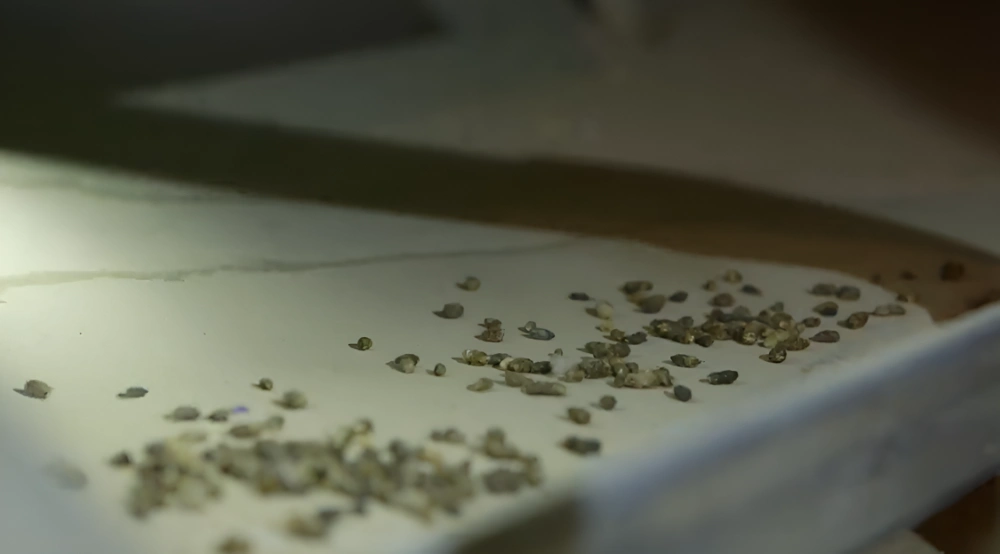
Droppings are the most reliable species confirmation tool when you can’t observe the animal directly. The shape difference is distinctive enough to confirm species in the field:
Norway Rat Droppings
- Length: ¾ inch (18–20mm)
- Shape: Capsule — parallel sides, both ends rounded/blunt
- Color: Dark brown-black when fresh; gray when old
- Location: Ground level — near burrow entrances, along foundation walls, under appliances, in crawlspaces
Roof Rat Droppings
- Length: ½ inch (12–13mm)
- Shape: Spindle — tapered to a point at both ends
- Color: Dark brown-black when fresh; gray when old
- Location: Elevated — attic insulation surface, along rafters, near attic hatch, on top of ceiling drywall
Where Do Norway Rats Actually Occur in Lakeland and Polk County?
While rare in residential attics, Norway rats are documented in specific Polk County environments. Knowing these locations prevents unnecessary concern for residential homeowners and helps commercial operators identify real risk:
Marinas and Waterfront Commercial
Chain of Lakes marinas, waterfront restaurants, and boat storage facilities. Norway rats access via dock pilings and floating structures. Commercial exclusion is the primary management tool.
Commercial Food Facilities
Food processing, restaurant waste areas, and commercial dumpster sites. Norway rats exploit ground-level food waste — the Polk County environment that most resembles their preferred habitat globally.
Sewer-Adjacent Construction
Norway rats can enter structures via sewer main connections. Older Lakeland infrastructure with compromised sewer laterals creates a small number of residential Norway rat entry cases — genuinely rare but documented.
What Are the Health Risks of Norway Rats — and How Do They Differ From Roof Rats?
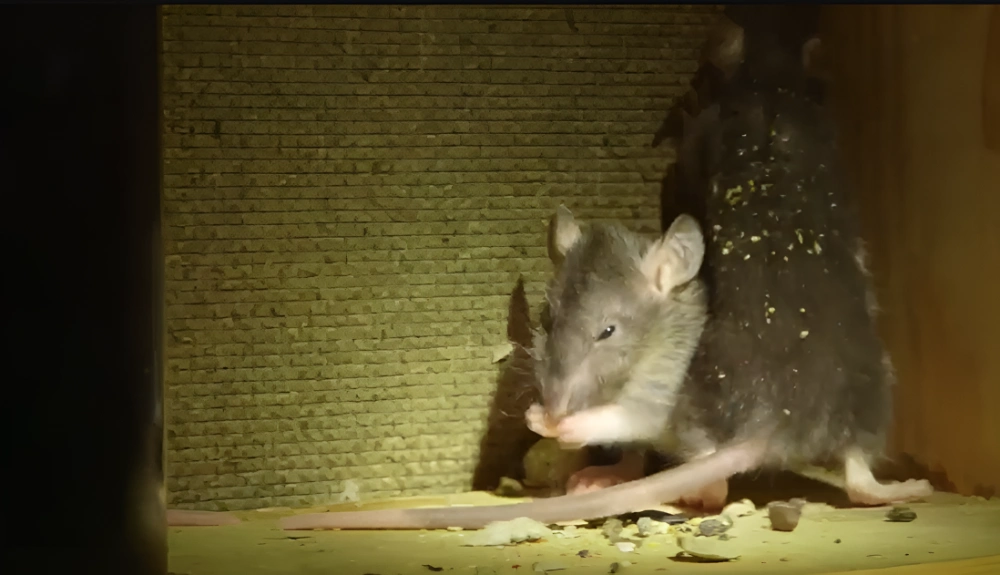
Rattus norvegicus carries a distinct disease profile from Rattus rattus. Both are significant public health concerns, but the transmission routes and specific pathogens differ:
Norway Rat — Primary Health Risks
- Leptospirosis — primary vector; urine contamination of standing water and soil
- Rat-bite fever — Streptobacillus moniliformis via bites or scratch
- Salmonellosis — via droppings on food contact surfaces
- Plague — via infected fleas (historically significant; extremely rare in Florida currently)
- Murine typhus — via infected fleas
Roof Rat — Primary Health Risks
- Rat lungworm — Angiostrongylus cantonensis via infected snails; documented in Florida
- Leptospirosis — also a significant vector, particularly near Lakeland lakes
- Salmonellosis — via droppings and urine contamination
- Hantavirus precursors — documented in Florida’s Rattus rattus population
- Electrical fire — via gnawed wiring (structural, not biological)
Frequently Asked Questions — Norway Rat Florida
I saw a large rat running along the ground in my Lakeland yard — is it a Norway rat?
Possibly, but unlikely in most Lakeland residential areas. Rattus rattus also travels at ground level when moving between trees and structures — particularly across open grass. The key indicator is subsequent behavior: if it climbs a tree or utility pole, it’s almost certainly R. rattus. If it disappears into an earthen burrow or under a slab edge, Norway rat investigation is warranted. Note the tail length relative to body if you observe it clearly.
Can Norway rats enter through Lakeland’s sewer system into my home?
Yes — but uncommon. Norway rats can swim up through dry P-traps in floor drains that haven’t been used recently. In older Lakeland properties with compromised sewer laterals, entry via the sewer main is possible. If you have confirmed ground-level activity emerging from drains, call us for a species assessment — this requires a different response than a standard roof rat exclusion.
Does Rodent Shield Lakeland handle Norway rat infestations in addition to roof rats?
Yes — our LCWM certification covers all commensal rodents. Norway rat treatment requires different exclusion strategy (ground-level burrow blocking rather than roofline sealing) but the same permanent-resolution principles apply: confirm the species, identify all entry points, remove by trapping, seal permanently.
Not Sure What You Have? We’ll Identify and Remove It — Same Day
LCWM-certified · No poison · 90-day return protection · All Polk County
📞 (863) 862-9981Rodent Shield Lakeland
3616 Harden Blvd, Lakeland FL 33803 · (863) 862-9981
Home · Roof Rat Removal · Roof Rat Species · Species Overview · Polk County