
Rattus rattus — The Roof Rat
Complete Florida & Lakeland Species Guide
Also called palm rat, black rat, fruit rat, and citrus rat — this is the species in your Lakeland attic. Here’s everything you need to know about its biology, behavior, and why it’s so difficult to remove permanently.
📞 Confirmed? Call (863) 862-9981What Exactly Is Rattus rattus — and Why Does It Have So Many Names?
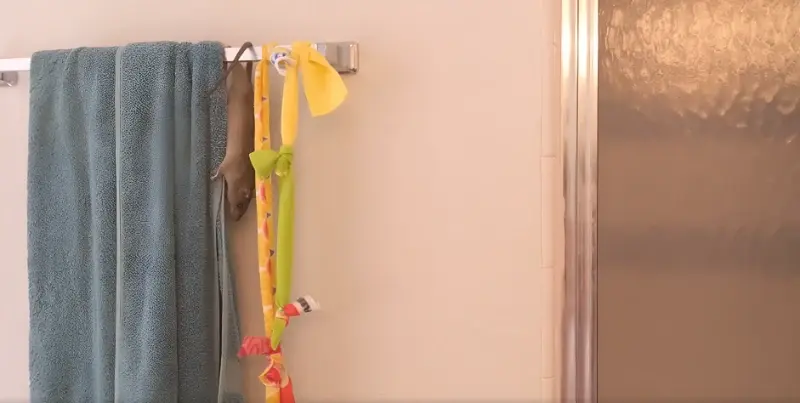
Rattus rattus is a single species with a remarkable number of regional nicknames. In Lakeland and Polk County, homeowners call it the palm rat (for its habit of nesting in palm trees), the fruit rat or citrus rat (for its primary diet), the roof rat (for its elevated harborage preference), and occasionally the black rat (its formal common name). Every one of these names describes the same animal with the same biology, the same behavior, and the same solutions.
This matters practically: research on “palm rat control” and “roof rat control” refers to identical biology. The University of Florida IFAS Extension, the primary research authority on Florida’s rodent pests, classifies Rattus rattus as the most significant structural rodent pest in the state. It is the species responsible for virtually every residential attic infestation reported to Polk County pest control operators.
Taxonomic classification: Kingdom Animalia → Phylum Chordata → Class Mammalia → Order Rodentia → Family Muridae → Genus Rattus → Species R. rattus. First described by Linnaeus in 1758. Native to South Asia; established globally as a commensal species following human maritime trade.
How Do You Identify a Roof Rat — Physical Characteristics and Field ID
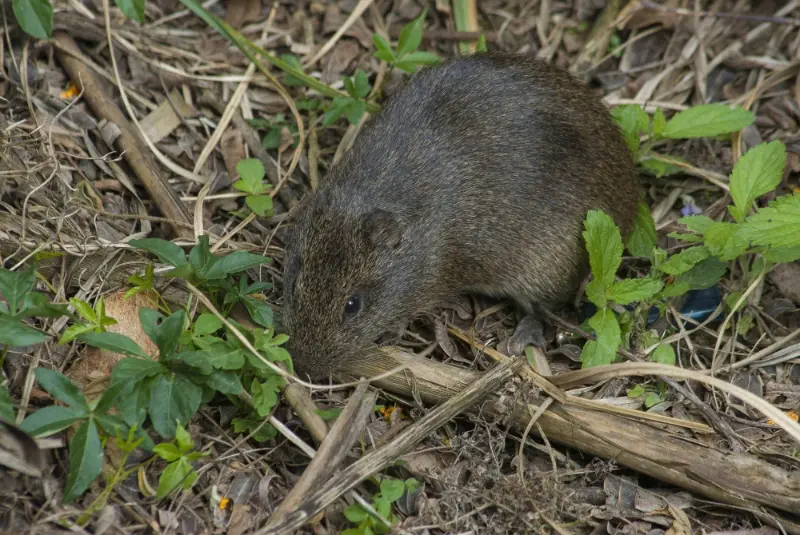
Accurate species identification before any treatment prevents wasted effort — Rattus rattus requires different trap types, placement strategy, and exclusion approach than a house mouse or Norway rat.
| Feature | Rattus rattus (Roof Rat) | Rattus norvegicus (Norway Rat) | Mus musculus (House Mouse) |
|---|---|---|---|
| Body length | 6–8 inches (nose to tail base) | 7–9 inches | 2.5–3.5 inches |
| Tail vs. body | Tail LONGER than body — key ID | Tail shorter than body | Tail approximately equal to body |
| Ears | Large, prominent, nearly naked | Small, rounded, set back | Large relative to body size |
| Snout | Pointed, narrow | Blunt, broad | Pointed |
| Weight | 100–300g (3.5–10.5 oz) | 200–500g (7–18 oz) | 15–25g (0.5–0.9 oz) |
| Color (dorsal) | Black, brown, or gray-brown | Brown-gray | Gray-brown |
| Droppings shape | Spindle-shaped, pointed both ends | Capsule-shaped, blunt both ends | Rod-shaped, tiny (<¼ inch) |
| Dropping size | ½ inch (12–13mm) | ¾ inch (18–20mm) | ⅛–¼ inch (3–6mm) |
| Harborage | Elevated — attics, trees, ceilings | Ground level — burrows, basements | Ground level and wall voids |
| Lakeland prevalence | Dominant species — 95%+ of cases | Rare in residential Lakeland | Occasional, often alongside rats |
What Is the Behavioral Profile of Rattus rattus — and Why Does It Matter for Removal?
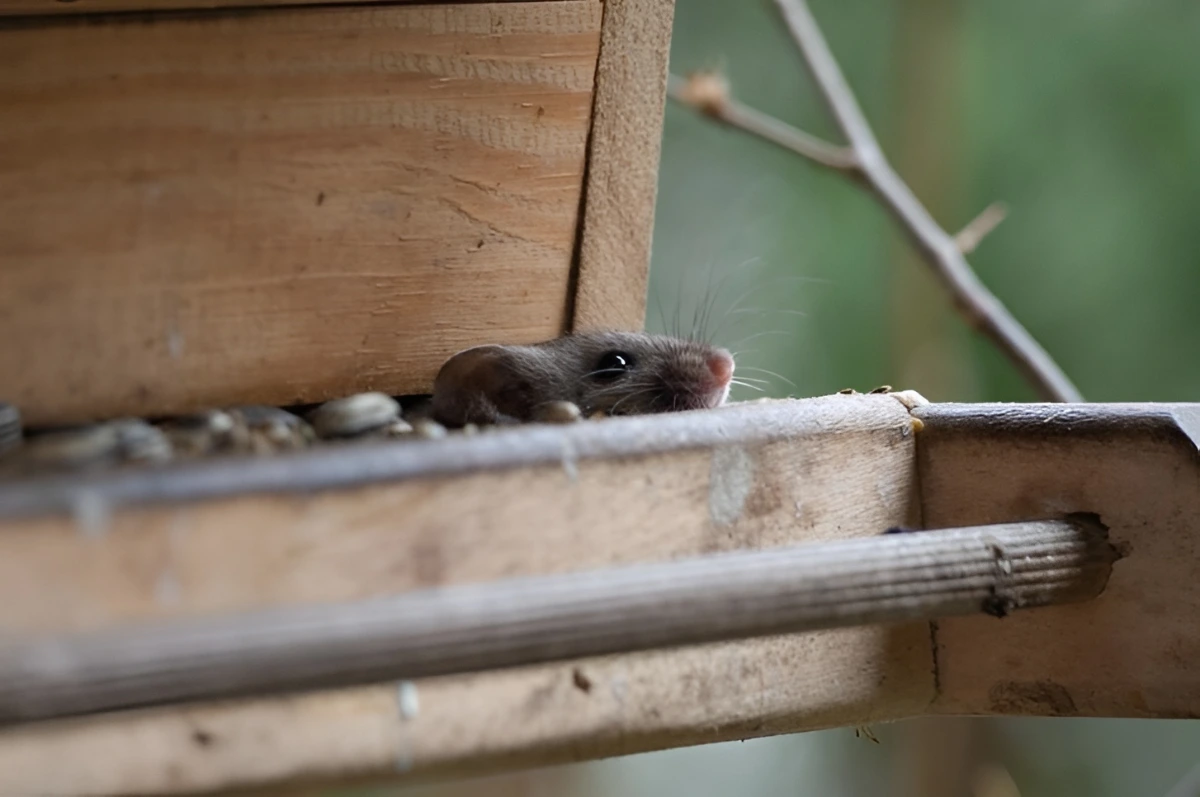
Understanding Rattus rattus behavior is the difference between effective removal and indefinite trap activity with no results. This is the species knowledge that separates LCWM-certified wildlife managers from generalist pest applicators.
Neophobia — The Trap Avoidance Mechanism
Rattus rattus is strongly neophobic — it avoids unfamiliar objects in its environment for 2–5 days before investigating them. A snap trap placed in a fresh location will produce zero catches for the first 2–3 days regardless of bait quality. Inexperienced operators interpret this as “no activity” and remove traps prematurely. Experienced operators leave traps in grease-run positions for the full neophobia period and see first catches on days 3–5.
The implication: trap placement along existing grease runs (established travel pathways marked by body oil deposits on rafters and wall runs) is more important than trap bait selection. A trap in the right location with minimal bait outperforms a well-baited trap placed away from active travel routes.
Nocturnal Activity Window
Over 95% of Rattus rattus activity occurs between 11pm and 3am. Activity outside this window — sounds at 9pm, daytime sightings — is abnormal and typically indicates either a very large colony (competition for resources drives non-standard timing) or a stressed individual. If you’re hearing ceiling activity before 10pm consistently, the colony is likely larger than average.
Fruit Caching and the Rolling Sound
The distinctive rolling-ball sound many Lakeland homeowners report — usually described as “something rolling across the attic floor” — is fruit caching behavior. Rattus rattus collects citrus and other fruit from adjacent trees, transports it to elevated harborage sites, and rolls it into position. This sound is diagnostic: it confirms R. rattus (mice and Norway rats don’t cache fruit in this way) and indicates an active, established colony with a nearby citrus food source.
Aerial Locomotion and Entry Routes
Rattus rattus is the most accomplished climber among Florida’s commensal rodents. It can run along utility lines, scale vertical surfaces with minor texturing (stucco, rough concrete), traverse overhead pipes, and jump from a branch to a roofline across a 3-foot gap. This aerial capability means standard ground-level pest control protocols — bait stations at the foundation, snap traps on the floor — address the wrong part of the animal’s habitat. Entry inspection must be conducted at roofline level.
What Is the Seasonal Behavior Pattern of Roof Rats in Lakeland — When Is the Problem Worst?
Rattus rattus breeds year-round in Lakeland’s subtropical climate — there is no winter dormancy. However, there are four distinct pressure peaks driven by Polk County’s citrus calendar and temperature pattern:
PEAK 1 — SEPTEMBER/OCTOBER
Citrus Season Onset
Early citrus varieties (grapefruit, navel orange) ripen in September. Roof rats that have been maintaining territory in adjacent palms and oaks begin intensified roofline transit as fruit becomes available. First calls of the season typically begin in late September.
PEAK 2 — NOVEMBER/DECEMBER
Peak Colony Season
Maximum colony density. Multiple citrus varieties at peak ripeness. Breeding cycle at full speed — a pair that entered in September may have produced one or two litters. November–December is when most homeowners first notice sounds clearly enough to call a professional.
PEAK 3 — FEBRUARY/MARCH
Late Citrus, Pre-Summer Surge
Late Valencia oranges and tangerines extend activity into March. As the citrus season winds down, roof rats that established attic harborage don’t leave — they’ve already built nests and established scent-marked territory. Late-winter calls often involve colonies 6+ months established.
PEAK 4 — MAY/JUNE
Summer Breeding Surge
As summer heat intensifies, attics become less hospitable for daytime rest but roof rats don’t abandon established harborage — they adapt activity timing. Summer months produce intense breeding activity. Litters born in spring reach breeding age by fall, amplifying the next citrus-season population surge.
What Damage Does Rattus rattus Cause in Lakeland Homes — and What Are the True Costs?
🔥 Electrical Fire Risk
Rodents must gnaw continuously to manage their continuously growing incisors. In attics, this gnawing targets wiring insulation. Exposed copper conductors in an attic environment are the leading cause of pest-related house fires in Florida. Chewed wiring may go undetected for years before an arc event.
💧 Insulation Degradation
Roof rats urinate continuously while moving through the attic — not just at fixed latrine sites. A medium colony (10 animals) over 6 months produces sustained urine contamination that saturates insulation, reduces R-value by 30–50%, creates mold substrate in Polk County’s humidity, and produces ammonia that enters living space through HVAC penetrations.
🦠 Disease Transmission
Rattus rattus in Florida carries Leptospira bacteria (leptospirosis), Salmonella, and — via the snail intermediate host — Angiostrongylus cantonensis (rat lungworm). Lakeland’s lake proximity creates documented leptospirosis and rat lungworm transmission risk in actively infested properties.
See our full attic cleanup guide for contamination removal protocols and our rat lungworm Florida guide for disease transmission detail.
What Is the Breeding Cycle of Roof Rats in Florida — and Why Does It Make Delayed Treatment So Costly?
In Lakeland’s year-round subtropical climate, Rattus rattus breeds 52 weeks per year. A mated female produces 5–8 pups per litter with a 21-day gestation period. Young reach sexual maturity in 2–3 months. The population math is unforgiving:
Colony Growth From a Single Breeding Pair — Lakeland FL (No Cold Suppression)
| Month | Animals (conservative estimate) | Why |
|---|---|---|
| Month 0 | 2 (1 breeding pair) | Initial entry |
| Month 2 | 6–9 | First litter reaches 4–6 weeks |
| Month 4 | 12–20 | First litter breeding, second litter born |
| Month 6 | 25–40 | Multiple concurrent breeding females |
| Month 12 | 50–100+ | Exponential curve — colony becomes very difficult to trap to clear |
Every month of delay between infestation establishment and treatment increases the trapping phase duration, attic contamination volume, and total removal cost. A colony discovered at month 2 (6–9 animals) resolves in 7–14 days of trapping. The same colony at month 6 (25–40 animals) may require 3–5 weeks. At month 12, the scope escalates significantly.
Don’t Wait — Call (863) 862-9981Frequently Asked Questions — Rattus rattus in Florida
Can Rattus rattus and Norway rats live in the same Lakeland home simultaneously?
Theoretically possible, but extremely rare in Lakeland residential properties. Rattus rattus occupies elevated harborage; Rattus norvegicus occupies ground-level burrows. Their niches don’t overlap significantly in residential construction. If you’re hearing sounds from both attic ceiling and ground-level wall voids simultaneously, have both species assessed — but in Lakeland, ceiling sounds are almost always R. rattus alone.
Do roof rats in Lakeland carry rabies?
Rabies in small rodents including roof rats is considered extremely rare by the CDC — so rare that post-exposure prophylaxis is almost never recommended for rodent bites. The primary disease risks from Rattus rattus in Florida are leptospirosis (via urine), rat lungworm (via infected snails), and Salmonella (via droppings). Hantavirus precursors have been found in Florida’s rat population but documented human cases are rare.
Why do Lakeland roof rats prefer the attic rather than the walls or basement?
Rattus rattus evolved as an arboreal species — it instinctively prefers elevated harborage with clear sightlines, minimal vibration exposure, and warmth. Attics in Lakeland homes provide all three. The attic is also adjacent to the primary food source (adjacent citrus trees) and most distant from ground-level human activity. Florida homes generally lack basements, removing that harborage option entirely.
Is Rattus rattus the same as the Norway rat sold as a pet?
No — pet “fancy rats” are domesticated Rattus norvegicus (Norway rat). Rattus rattus (roof rat) has rarely been domesticated and is not the species sold in pet stores. The two are distinct species with different behavioral profiles, different entry habits, and different trap responses.
Confirmed Roof Rats? Get Permanent Removal — Same or Next Day
LCWM-certified · No poison · 90-day return protection · All Polk County
📞 (863) 862-9981Rodent Shield Lakeland
3616 Harden Blvd, Lakeland FL 33803 · (863) 862-9981 · hello@rodentshieldlakeland.com
Home · Roof Rat Removal · Exclusion · Species Overview · Polk County